
TL;DR:
- Restaurant billing software is a specialized POS system for foodservice operations that manages orders, printing, tables, and finances. It can significantly reduce billing errors and increase table turnover, improving efficiency and customer satisfaction. Choosing the right system depends on your restaurant size, internet reliability, and financial management needs.
Restaurant billing software is defined as a point-of-sale (POS) system built specifically for foodservice operations, combining order management, Kitchen Order Ticket (KOT) printing, table tracking, and financial reporting in one platform. The right system can reduce billing errors by up to 95% and increase table turnover by as much as 40%. Those numbers translate directly to fewer customer disputes and more covers served per shift. This guide covers the top 10 restaurant billing software categories, what each type does best, and how to choose the right fit for your operation.
What are the top 10 restaurant billing software categories?
The industry term for this software class is “restaurant POS system,” though most owners search for it as restaurant billing software. Both terms describe the same core product. The ten functional categories below cover the full range of solutions available in 2026, from affordable billing software for restaurants just starting out to enterprise platforms managing dozens of locations.
1. Entry-level cafe and quick-service systems
Entry-level systems target cafes, food trucks, and counter-service spots that need fast checkout without complex setup. These platforms typically run on a tablet, connect to a thermal receipt printer, and go live in under an hour. Monthly costs for this tier run around $300 for cafes, making them the most affordable billing software for restaurants with tight budgets. The trade-off is limited reporting depth and fewer integrations.

2. Mid-tier full-service restaurant platforms
Mid-tier systems handle table management, split billing, and multi-course ordering for casual and family-style restaurants. They support multiple terminals, so a host stand and two server stations can all run from the same database. Reporting at this level covers daily sales, item performance, and labor cost summaries. This category represents the largest share of restaurant POS software in active use.
3. Enterprise and multi-location platforms
Enterprise platforms give chains and multi-unit operators a single dashboard to manage menus, pricing, and staff permissions across every location. Complex operations require granular reporting and deep customization that entry-level tools simply cannot provide. Centralized menu updates push to all locations simultaneously, which eliminates the manual work of editing each terminal separately. These systems carry the highest monthly cost but pay for themselves through consistency and reduced administrative overhead.
4. Offline-capable billing systems
Offline mode is not a luxury feature. Systems with offline capability process transactions and print KOTs without internet, keeping service running during outages. A restaurant that loses its connection during a Friday dinner rush without offline mode will lose real revenue and real customers. Any system you evaluate should demonstrate offline billing as a standard feature, not an add-on.
5. Recipe-level cost tracking systems
These platforms go beyond sales reporting and track ingredient costs at the dish level. Recipe-level tracking shows real-time net margins per dish, revealing which menu items are actually profitable and which are priced below their ingredient cost. A pasta dish that sells well but costs more to make than it earns will quietly drain your margins. This category is the most underused tool in restaurant financial management.
Pro Tip: Run a recipe cost audit on your top 10 selling items before choosing software. If your current system cannot show you dish-level margins, that gap alone justifies an upgrade.
6. AI-powered and voice billing systems
A growing number of platforms now include AI features such as voice-activated order entry, predictive inventory alerts, and automated upsell prompts. Voice billing reduces the time a server spends looking at a screen and keeps attention on the guest. Predictive inventory flags items likely to run out before the end of service, preventing the awkward “we’re out of that” conversation. This category is still maturing, but early adopters report measurable gains in order accuracy.
7. Cloud-based versus on-premise systems
Cloud-based restaurant invoicing software stores all data on remote servers, meaning you can pull a sales report from your phone at midnight. On-premise systems store data locally, which offers faster response times and no dependency on internet speed. The practical difference matters most in areas with unreliable connectivity, where on-premise or hybrid systems outperform pure cloud deployments. Most modern platforms offer a hybrid approach: local processing with cloud backup.
8. Subscription versus bundled hardware packages
Pricing models split into two main structures. Subscription-only plans charge a monthly fee and let you source your own hardware. Bundled packages include terminals, printers, and card readers financed over a contract term. Payment processing rates typically range from 1.99% + 25¢ to 2.75% + 5¢, and that spread adds up fast on high-volume days. Always calculate your projected monthly card volume before committing to a processing rate.
9. Systems with kitchen display and hardware integration
Kitchen Display Systems (KDS) replace paper KOT tickets with a screen mounted above the prep station. Orders appear instantly, cooks mark items as complete, and servers see real-time status updates. Average transaction time from open order to KOT printing runs around 8 seconds in high-volume restaurants. A KDS cuts that lag further and eliminates the risk of a printed ticket getting lost or wet.
10. Compliance-focused billing platforms
PCI DSS compliance is a payment card industry standard that every restaurant accepting card payments must meet. Some platforms handle compliance automatically; others charge a separate monthly PCI fee. Hidden costs include PCI compliance fees, hardware leasing, and contract exit penalties up to $995. GST and sales tax automation is equally critical for restaurants operating across multiple tax jurisdictions. A compliance-focused platform bakes these requirements into the billing workflow rather than leaving them to manual calculation.
How billing software improves efficiency and customer service
Fast, accurate billing is the operational backbone of a profitable restaurant. The features below separate genuinely useful restaurant management tools from systems that look good in a demo but slow you down in practice.
- KOT speed: An 8-second order-to-KOT time keeps the kitchen in sync with the floor during peak service. Delays at this step cascade into longer wait times and frustrated guests.
- Error reduction: Billing errors drop by up to 95% with a well-configured POS, which directly reduces comps, voids, and customer complaints.
- Offline resilience: Offline mode maintains billing and printing during outages, so a dropped connection does not shut down your operation.
- Split billing: Group dining generates the most billing friction. Systems that handle split checks by seat, item, or percentage remove that friction at the table.
- QR code ordering: Contactless menus and QR-based ordering reduce server trips and speed up the ordering cycle, particularly during high-turnover lunch service.
- Staff activity monitoring: Real-time alerts flag voids, discounts, and refunds by employee, giving managers a clear view of where revenue exceptions occur.
Real-time table monitoring ties these features together. A manager can see at a glance which tables are waiting for checks, which are overdue for a course, and where a server is falling behind. That visibility alone justifies the cost of a mid-tier system for any full-service restaurant.
Real-world cost considerations for restaurant billing software
Advertised pricing rarely reflects what you will actually pay. Free tiers often lack critical features and carry higher transaction fees, shifting costs from the subscription line to the processing line. A plan that looks free at sign-up can cost more per month than a transparent paid subscription once you account for processing markups.
Here is what to budget for beyond the base subscription:
- Hardware: Terminals, printers, and card readers can add $500–$2,000 upfront or roll into a financing agreement with interest.
- PCI compliance fees: Some platforms charge $10–$30 per month separately for compliance management.
- Payment processing: Rates between 1.99% and 2.75% per transaction create a wide cost range depending on your card volume.
- Contract exit penalties: Exit fees can reach $995, making a short-term commitment expensive to escape.
- Multi-location add-ons: Each additional location typically adds a per-location fee on top of the base plan.
Monthly statements can include unexplained charges for services you did not knowingly activate. Review every line item monthly, not just the total.
Pro Tip: Ask any vendor for a sample monthly invoice from an existing customer at your volume level. That document will show you every fee line, not just the headline price.
Full-service restaurants should budget $1,000 to $2,000+ per month when hardware, processing, and software fees are combined. Cafes and quick-service spots typically land in the $300–$700 range. Use those figures as your baseline when comparing plans.
Key features to evaluate when choosing restaurant software
Choosing the right restaurant billing solution comes down to matching features to your actual operation, not the operation you plan to have someday. Use this framework when evaluating any platform:
| Feature category | What to look for |
|---|---|
| Offline and online mode | Local processing with automatic cloud sync when connection restores |
| KOT and order routing | Configurable routing to multiple kitchen stations or a KDS screen |
| Recipe cost tracking | Ingredient-level margin calculation updated in real time |
| Reporting depth | Sales by item, labor cost, and inventory variance in one dashboard |
| Pricing transparency | All fees listed in writing before you sign, including processing rates |
| Hardware compatibility | Works with thermal printers and card readers you already own |
| Scalability | Per-location pricing that does not spike disproportionately as you grow |
| Support availability | Phone or chat support during your service hours, not just business hours |
User interface quality matters more than most owners expect. A system that requires three taps to add a modifier will slow every order during a rush. Test the ordering flow yourself during a demo, and have a server test it too. Staff adoption determines whether the software delivers its promised benefits.
Which billing software fits your restaurant type?
Not every restaurant needs the same solution. Match your operation to the category that fits your reality.
- Small cafes and quick-service: Choose a low-cost, tablet-based system with simple hardware requirements and a short setup time. Complexity adds cost without adding value at this scale.
- Full-service and fine dining: Prioritize multi-terminal support, detailed reporting, and a strong table management module. These operations generate the data that justifies a mid-tier or enterprise platform.
- Multi-location chains: Enterprise-grade platforms with centralized management are the only practical choice. Trying to manage multiple locations on entry-level software creates data silos and inconsistent pricing.
- Budget-conscious operators: Focus on transparent pricing and month-to-month contract options. Avoid plans that advertise $0/month but bury costs in processing fees.
- Restaurants with unreliable internet: Offline functionality is non-negotiable. Confirm that the system processes and stores transactions locally before committing.
- Profit-focused owners: Recipe-level cost tracking identifies which dishes drain margins and which drive profit. This feature pays for itself within weeks of activation.
- Startups and new openings: Prioritize free trials, short contract terms, and a platform that scales without forcing a full migration when you add a second location.
Key takeaways
The best restaurant billing software combines offline resilience, transparent pricing, and dish-level cost tracking to reduce errors, protect revenue, and give owners a clear picture of actual profitability.
| Point | Details |
|---|---|
| Billing errors drop sharply | The right POS system reduces billing errors by up to 95%, cutting disputes and comps. |
| Real costs exceed advertised prices | Budget $300–$700 for cafes and $1,000–$2,000+ for full-service restaurants per month. |
| Offline mode protects revenue | Systems without offline capability risk losing sales during every internet outage. |
| Recipe tracking changes profitability | Dish-level margin data reveals which menu items are quietly costing you money. |
| Audit monthly statements | Unexplained charges appear regularly; reviewing every line item prevents overpaying. |
What Toolsplorer has learned about restaurant billing software
The most common mistake restaurant owners make is choosing software based on the advertised monthly price. That number almost never reflects total cost of ownership once processing fees, hardware financing, and compliance charges are added. I have seen operators paying nearly double their expected monthly cost because they signed a bundled contract without reading the processing rate fine print.
Offline mode is the feature most owners overlook until they need it. A system that goes dark during a power flicker or ISP outage at 7:30 PM on a Saturday is not a billing tool. It is a liability. Treat offline capability as a baseline requirement, not a premium feature.
Recipe-level margin tracking is the most underused capability in this software category. Most owners run their menus on intuition and historical pricing. A system that shows you the actual ingredient cost of every dish, updated in real time, changes how you think about your menu. One underpriced item on a high-volume menu can cost thousands of dollars per month in lost margin.
Start with a platform that fits your current operation, not your five-year vision. Overly complex systems create training friction, slow service, and generate staff errors that offset every efficiency gain the software promises. Scale up when the operation demands it.
— Toolsplorer
Toolsplorer helps you find the right billing platform
Picking the right restaurant billing system from dozens of options takes more than reading a feature list. Toolsplorer aggregates verified reviews, pricing data, and feature comparisons across the full range of restaurant management tools so you can make a decision based on real user experience, not marketing copy.
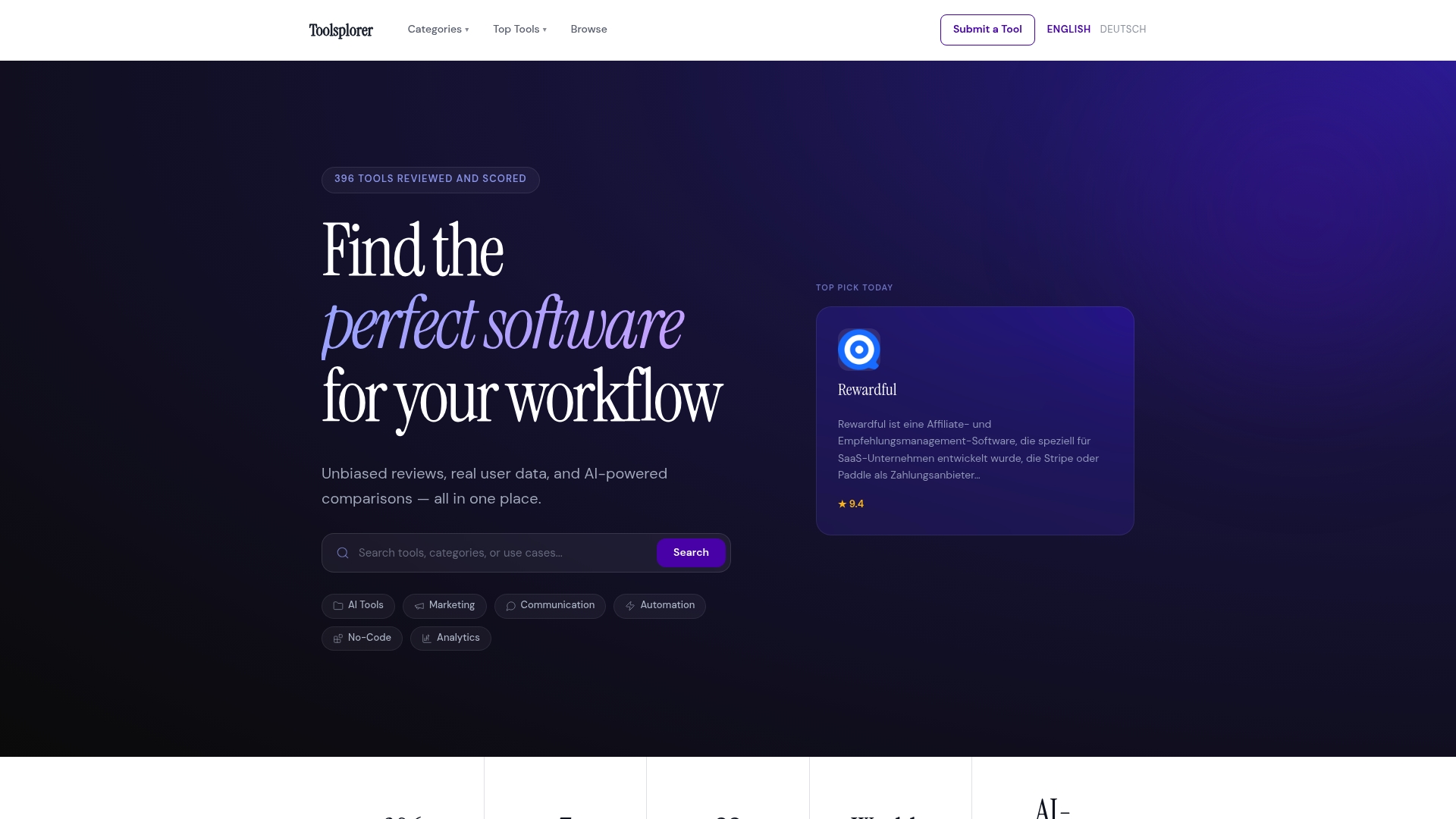
Whether you run a single cafe or a growing chain, Toolsplorer’s software reviews give you a clear, unbiased view of which platforms deliver on their promises and which fall short. The platform’s AI-driven scoring pulls from multiple review sources, so you see an honest picture of each tool’s strengths and weaknesses. You can also check billing software comparisons built specifically for small business operators who need straightforward answers without vendor spin.
FAQ
What is restaurant billing software?
Restaurant billing software is a POS system built for foodservice operations that handles order entry, KOT printing, table management, payment processing, and financial reporting in one platform. It differs from generic invoicing software by including restaurant-specific features like split billing, GST compliance, and kitchen routing.
How much does restaurant billing software cost per month?
Monthly costs range from roughly $300 for cafes to $1,000–$2,000+ for full-service restaurants when hardware, processing fees, and software subscriptions are combined. Advertised base prices rarely reflect total cost of ownership.
Do restaurant POS systems work without internet?
The best systems include offline mode, which processes transactions and prints KOTs locally without an internet connection. Restaurants in areas with unreliable connectivity should treat offline capability as a mandatory requirement before signing any contract.
What is a Kitchen Order Ticket (KOT)?
A KOT is a printed or digital order slip sent from the POS terminal to the kitchen, detailing each item ordered at a table. High-volume restaurants average around 8 seconds from order entry to KOT printing, and faster systems reduce kitchen delays during peak service.
What hidden fees should I watch for in restaurant billing software?
Watch for PCI compliance fees, hardware leasing charges, contract exit penalties that can reach $995, and payment processing markups above the advertised rate. Review your monthly statement line by line to catch charges for services you did not activate.